
Digital Printing on Custom Caps in Australia: The Complete Ordering Guide
Discover how digital printing on custom caps works in Australia — from artwork setup to MOQs, costs, and choosing the right cap for your brand.

Written by
Layla Abboud
Branding & Customisation
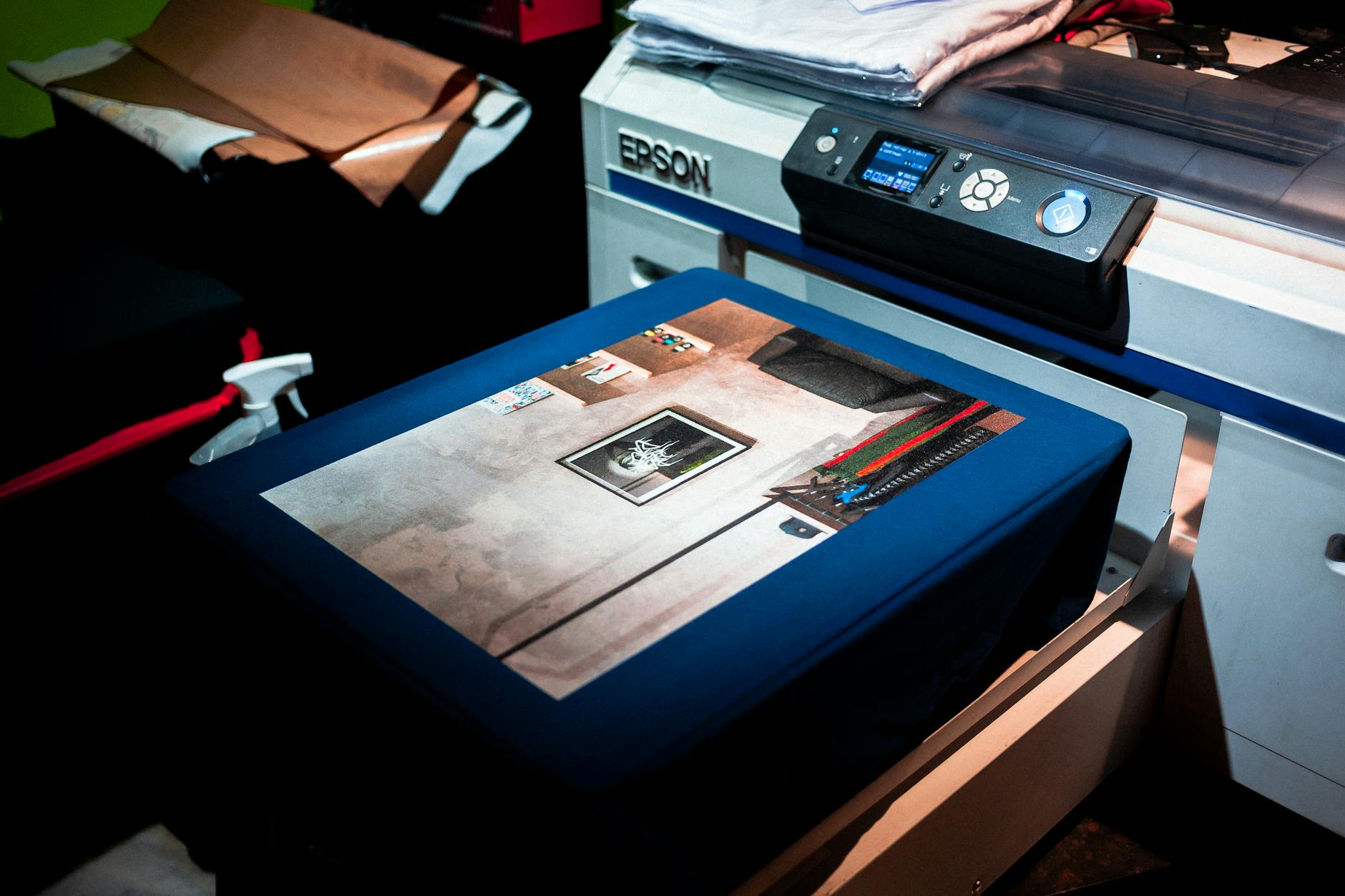
Custom caps are one of the most versatile and highly visible pieces of branded merchandise available to Australian businesses, sports clubs, and marketing teams. Whether you’re kitting out a Gold Coast surf school, preparing merchandise for a Sydney corporate event, or ordering team caps for a Brisbane football club, the decoration method you choose will have a significant impact on the final result. Digital printing on custom caps has emerged as one of the most exciting options in the Australian promotional products market — offering full-colour artwork reproduction, low minimum order quantities, and impressive detail that traditional methods simply can’t match. If you’ve been wondering whether digital printing is right for your next cap order, this guide covers everything you need to know before you commit.
What Is Digital Printing on Custom Caps?
Digital printing — sometimes called direct-to-garment (DTG) or direct-to-film (DTF) printing depending on the application — involves transferring a design directly onto the cap’s fabric using specialised inkjet technology. Unlike screen printing, which requires separate screens for each colour, digital printing works similarly to a desktop printer: your artwork file is loaded directly into the machine and printed onto the surface.
For caps specifically, this process typically involves printing onto a flat panel of the cap before construction, or using a specialised hat printer that accommodates the curved, structured surface of a finished cap. The result is a high-resolution, full-colour print that can reproduce photographic imagery, gradients, and intricate logo details with remarkable accuracy.
It’s worth distinguishing digital printing from the other common decoration methods used on caps in Australia:
- Embroidery — thread stitched into the fabric; excellent for structured logos and a premium feel
- Screen printing — best for flat panels with solid colour designs and larger runs
- Heat transfer — a printed film transferred via heat press; suits detailed designs
- Sublimation — dye infused into the fabric; only works on polyester or poly-blend caps
- Laser engraving — used on leather or synthetic panels for a subtle, debossed effect
Each method has its strengths, and understanding these differences will help you make the right call for your project. You can dig deeper into how these approaches compare in our guide to promotional products and brand awareness in Australia.
Why Australian Businesses Are Choosing Digital Printing for Custom Caps
The shift toward digital printing on custom caps Australia-wide has been driven by several key advantages that suit the needs of modern marketing teams, small businesses, and sporting organisations.
Full-Colour Artwork Without the Setup Costs
One of the biggest drawcards of digital printing is its ability to reproduce complex, multi-colour artwork without the need for colour separations or screen setups. A sports club in Adelaide with a logo that features five colours, gradients, and fine detail no longer has to simplify their branding to make it work on a cap. Digital printing handles it all in a single pass. This is a game-changer for organisations that have invested in detailed brand identities they want to represent faithfully on merchandise.
Compare this to screen printing, where each colour in your design typically adds to the setup cost and complexity. For a detailed breakdown of how to approach promotional items for businesses of all sizes, take a look at our overview of promotional items for small business.
Lower Minimum Order Quantities
Traditional cap decoration methods like embroidery and screen printing often come with minimum order quantities (MOQs) of 24 to 50 units or more. Digital printing on custom caps frequently accommodates runs as small as 10 to 20 units, and some suppliers can produce even smaller quantities for sample orders or limited-edition drops.
This flexibility is particularly valuable for small businesses, start-ups, and boutique sporting clubs that don’t need hundreds of caps at once. A Melbourne café launching a new brand identity, for instance, might only need 30 caps for staff — and digital printing makes that viable without blowing the budget on setup fees.
Rapid Turnaround Times
Because digital printing doesn’t require the physical setup of screens or embroidery digitisation, turnaround times tend to be faster. Many Australian promotional product suppliers can turn around a digital print cap order in five to ten business days once artwork is approved. Rush orders may be available for urgent events — though you should always confirm lead times with your supplier, especially during peak periods like end-of-year conferences and AFL/NRL finals season.
Ideal for Photographic and Gradient Designs
If your design includes a photograph, realistic imagery, or smooth colour gradients, digital printing is almost certainly your best option. Embroidery struggles to reproduce fine gradients, and screen printing requires halftone techniques that can reduce visual fidelity. Digital printing reproduces these elements cleanly, making it popular for event merchandise, limited-edition capsule collections, and artist collaborations.
Choosing the Right Cap for Digital Printing
Not every cap style is equally well-suited to digital printing. The fabric composition, panel construction, and colour of the cap all affect how the print will look and last.
Fabric Considerations
Digital printing produces the sharpest results on tightly woven, smooth fabrics. Structured caps with flat front panels — such as five-panel or six-panel snapbacks — tend to give the cleanest results. Unstructured caps with softer, more textured fabrics can cause the ink to spread slightly, reducing detail sharpness.
Polyester and poly-blend caps are particularly well-suited to digital and sublimation printing. If your cap is 100% polyester, sublimation is also worth considering as an alternative, as it produces exceptionally vibrant, durable results. Cotton caps can be digitally printed but may require a pre-treatment process to ensure ink adhesion and wash durability.
Cap Colour
Digital printing performs best on white or light-coloured caps. On dark caps, achieving the same vibrancy requires a white underbase layer, which adds a step to the process and can slightly affect the texture of the printed area. If your brand uses dark colours and you want a dramatic result, discuss options with your supplier — some will recommend alternative decoration methods for certain colourways.
Cap Styles to Consider
Popular styles for digital printing include:
- Trucker caps — foam front panel is excellent for digital printing
- Snapback caps — structured, flat front panels ideal for detailed artwork
- Dad hats — relaxed fit, though the softer panel requires care with fine detail
- Performance caps — polyester construction suits sublimation or digital print well
For sporting clubs and active organisations, performance caps with moisture-wicking properties are a practical choice. If you’re also exploring workwear options for your team, our guide to promotional hi-vis vests for mining operations provides useful context on sourcing branded safety gear in Australia.
Artwork Requirements for Digital Printing on Custom Caps
Getting your artwork right before you place an order will save you time, money, and frustration. Here are the key technical requirements to keep in mind:
- File format: Vector files (AI, EPS, PDF) are preferred for logos. High-resolution raster files (PNG or TIFF at 300dpi minimum) are acceptable for photographic artwork.
- Colour mode: Set your files to CMYK for print accuracy. RGB files will be converted, which can shift colours unexpectedly.
- Size and placement: Confirm the maximum print area for the cap style you’ve chosen. Front panel prints are typically limited to around 80mm x 60mm, though this varies by product.
- Bleed and safe zones: If your artwork runs close to the edge of the print area, allow for slight movement during production.
If you’re new to preparing artwork for branded merchandise, the same principles apply across many product categories — from caps to promotional leather notebooks and personalised tote bags.
Budgeting for Digital Print Cap Orders in Australia
Pricing for digitally printed custom caps in Australia varies depending on cap quality, print complexity, order quantity, and supplier. As a rough guide:
- Budget caps with digital print: $12–$20 per unit for runs of 25–50 units
- Mid-range caps: $20–$35 per unit depending on brand and decoration
- Premium structured caps: $35–$60+ per unit for high-quality headwear with detailed prints
Setup fees are generally lower for digital printing than screen printing — sometimes waived entirely for straightforward orders — but always confirm this with your supplier. If you’re ordering caps alongside other promotional items for a corporate event or trade show, bundling your order can sometimes attract better pricing. Our guide to promotional items for trade shows covers how to get the most value from multi-product orders.
Digital printing is also worth comparing against small business promotional items strategies more broadly, particularly if caps are just one part of a larger branded merchandise campaign.
Environmental Considerations
Many Australian organisations — particularly councils, universities, and not-for-profits — are increasingly focused on sustainable procurement. Water-based inks used in digital printing are generally considered more environmentally friendly than plastisol inks used in traditional screen printing, producing fewer volatile organic compounds (VOCs).
If sustainability is a priority for your organisation, pair your digital print caps with caps made from recycled or organic materials. Some suppliers offer caps made from recycled PET (plastic bottles) or organic cotton, which align well with sustainable promotional items goals. You might also consider pairing your cap order with other eco-conscious products like reusable food pouches for event giveaway kits.
Comparing Digital Printing to Other Cap Decoration Methods
To summarise how digital printing stacks up against other common methods for Australian cap orders:
| Method | Best For | MOQ | Detail Level | Cost Per Unit |
|---|---|---|---|---|
| Digital Printing | Full-colour, photographic | Low (10–20+) | Very High | Medium |
| Embroidery | Classic logos, premium feel | Medium (24–50+) | Medium | Medium–High |
| Screen Printing | Solid colour designs, large runs | Medium–High (50+) | High | Low (high vol) |
| Sublimation | All-over prints, polyester caps | Low–Medium | Very High | Medium |
| Heat Transfer | Complex designs, small runs | Low | High | Medium |
If your brand has a simple, bold logo and you’re ordering 100+ units, embroidery or screen printing may still be the right call. But for complex artwork, small-to-medium runs, and fast turnarounds, digital printing on custom caps is hard to beat.
For businesses exploring the full spectrum of custom apparel options, it’s also worth reading up on t-shirt printing options and complementary products like promotional USB products and travelling mugs to build a cohesive branded merchandise suite.
Conclusion: Key Takeaways for Ordering Digital Print Custom Caps in Australia
Digital printing on custom caps in Australia offers a compelling combination of creative freedom, order flexibility, and fast turnaround — making it an excellent choice for businesses, sports clubs, and marketing teams with complex artwork or smaller order requirements. Before you place your next cap order, keep these points front of mind:
- Digital printing excels at reproducing full-colour, photographic, and gradient artwork that other methods struggle to replicate faithfully.
- Lower MOQs make digital printing accessible for small businesses, boutique clubs, and limited-edition merchandise runs.
- Cap fabric and colour matter — polyester and light-coloured caps deliver the sharpest, most vibrant results.
- Artwork quality is critical — supply high-resolution vector or 300dpi raster files in CMYK to avoid colour shifts and reprints.
- Compare decoration methods against your brief — digital printing is versatile, but embroidery or screen printing may be more cost-effective for certain volumes and design styles.
Whether you’re ordering 20 caps for a Perth start-up launch or 200 caps for a Canberra government conference, digital printing gives you the tools to put your brand front and centre — literally. Take the time to brief your supplier thoroughly, request a pre-production proof, and you’ll end up with custom caps that genuinely represent your brand at its best.