
Why Kmart Photos Print Falls Short for Professional Branded Merchandise Needs
Thinking about Kmart photos print for your business or club? Discover why professional branded merchandise delivers better results every time.

Written by
Heidi Mueller
Buying Guides & Tips
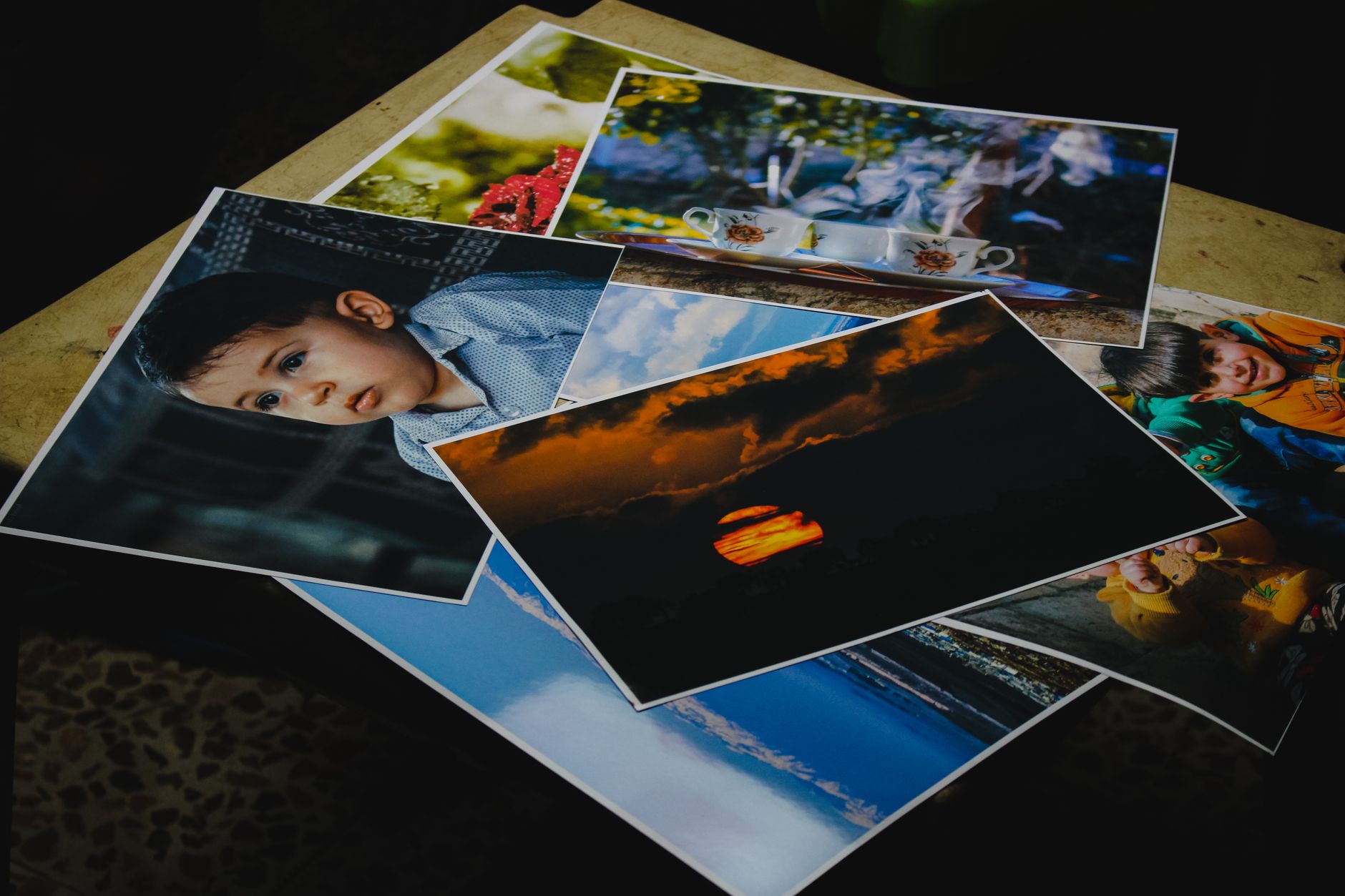
If you’ve ever found yourself Googling “Kmart photos print” in the hope of finding a quick, affordable solution for your business merchandise or sporting club gear, you’re not alone. Many Australian business owners, marketing coordinators, and club organisers start their branded merchandise journey by looking at everyday retail options before realising there’s a whole world of professional print and decoration services better suited to their needs. This guide is designed to help you understand where retail photo printing ends and professional branded merchandise begins — and why making the right choice from the start can save you time, money, and a whole lot of frustration.
What “Kmart Photos Print” Actually Offers (And What It Doesn’t)
Kmart’s in-store photo printing service is designed for personal use — think family portraits, holiday snaps, and birthday collages. It’s a consumer-grade service that produces standard photographic prints from digital files uploaded at a kiosk or ordered online. For personal keepsakes, it does the job perfectly well.
But here’s the reality: if you’re a marketing manager in Sydney trying to produce 500 branded tote bags for a product launch, or a Brisbane sporting club needing embroidered polo shirts for your season kickoff, Kmart’s photo printing service simply isn’t built for that purpose. The limitations become apparent very quickly:
- No bulk order capability for merchandise items like apparel, drinkware, or bags
- No decoration methods such as screen printing, embroidery, sublimation, or laser engraving
- No PMS colour matching to ensure your brand colours are reproduced accurately
- No branded merchandise items — you can’t print your logo onto a keep cup, hoodie, or notebook
- No account management or artwork proofing processes for business clients
- No minimum order quantities designed for corporate, event, or club-scale projects
In short, it’s a photo printing kiosk, not a branded merchandise supplier. Understanding this distinction is the first step toward finding the right solution for your organisation.
What Australian Businesses and Clubs Actually Need From Branded Print
When marketing teams, small business owners, or sporting clubs talk about “printing” for their brand, they’re usually referring to something much more comprehensive than photo prints. They need professionally decorated products that carry their logo, message, and brand identity — and they need those products to look sharp, last well, and arrive on time.
Let’s break down what professional branded merchandise actually involves.
Decoration Methods That Matter
Professional merchandise suppliers use a range of decoration techniques depending on the product and the desired outcome. Each method has its own strengths:
- Screen printing — ideal for high-volume orders of t-shirts, tote bags, and flat surfaces; produces vibrant, durable colour
- Embroidery — the go-to choice for polos, caps, and workwear; gives a premium, textured finish that holds up through repeated washing
- Sublimation — perfect for full-colour, edge-to-edge designs on polyester garments and hard goods like mugs and mousepads
- Laser engraving — used on metal and timber items such as pens, awards, and drinkware for an elegant, permanent finish
- Pad printing — common for smaller hard goods like pens, USB drives, and phone accessories
- Digital printing — excellent for short runs with complex, multicoloured artwork
For a deeper look at choosing the right method for your garments, it’s worth reading our guide on labels for apparel to understand how decoration choices affect your final product’s quality and presentation.
MOQs, Turnaround Times, and Budget Planning
One of the most common surprises for first-time merchandise buyers is the concept of minimum order quantities (MOQs). Unlike a retail photo kiosk where you can print a single image, professional merchandise suppliers typically require a minimum number of units per order — often starting at 25 to 50 pieces for apparel and dropping lower for items like pens or lanyards.
Here’s a general guide to typical MOQs across common product categories:
| Product Type | Typical MOQ | Common Decoration |
|---|---|---|
| Custom t-shirts | 25–50 units | Screen print / DTG |
| Embroidered polos | 12–24 units | Embroidery |
| Branded tote bags | 50–100 units | Screen print |
| Custom pens | 100–250 units | Pad print / laser engrave |
| Keep cups / drinkware | 24–50 units | Laser engrave / sublimation |
| Notebooks | 25–50 units | Debossing / digital print |
Turnaround times vary by supplier and decoration method, but most professional orders take between 10 and 15 business days from artwork approval. Rush production is available through some suppliers for urgent projects — expect a premium on pricing. If you’re planning for an event, conference, or season launch, building in at least three to four weeks from initial enquiry to delivery is a smart approach.
For organisations just getting started, our resource on promo items for small business offers practical guidance on budgeting and prioritising your merchandise spend.
Better Alternatives to Kmart Photos Print for Branded Merchandise
Now that we’ve established what photo printing can’t do, let’s look at what professional merchandise suppliers actually offer — and why it’s the smarter choice for any organisation serious about its brand.
Custom Apparel for Sports Clubs and Corporates
From a Gold Coast surf club ordering sublimated rashies to a Melbourne corporate team kitting out for a conference, custom apparel is one of the most impactful branded merchandise categories. Professionally printed or embroidered garments build team identity, increase brand visibility, and leave a lasting impression.
Whether you need hi-vis workwear for a Perth construction company or custom caps for an Adelaide school sports day, professional suppliers can handle all of it with proper artwork proofing, size breakdowns, and colour accuracy.
Branded Bags That Work Hard for Your Brand
A branded tote bag does something a photo print never could — it travels, gets used repeatedly, and exposes your logo to new audiences every time it leaves the house. Our deep dive into personalised tote bags and our tote bag and handbag options cover everything you need to know about ordering branded bags that make an impression.
Tech Accessories, Drinkware, and Stationery
High-use items like custom phone cases, branded keep cups, and personalised engraved pens are staples of any well-rounded merchandise strategy. These products offer daily brand exposure and genuine utility — the two factors that make branded merchandise effective.
For recognising outstanding team members or volunteers, personalised engraved pens for community service recognition are a thoughtful and professional choice that no retail photo kiosk could come close to producing.
Eco-Friendly and Sustainable Options
There’s a growing demand across Australian businesses and schools for merchandise that aligns with environmental values. Bamboo, recycled, and reusable products are increasingly popular — and far beyond anything a retail print service offers. Our coverage of sustainable promotional items and eco-friendly promotional product trends in Australia is essential reading for organisations with a sustainability focus.
Products like reusable food pouches are a great example of eco-conscious branded merchandise that resonates with community-minded audiences.
Planning a Successful Branded Merchandise Order
Whether you’re planning for a trade show, a sporting season, a school event, or a corporate rebrand, the process of ordering professional branded merchandise follows a consistent structure. Here’s how to approach it:
Step 1: Define Your Goals and Budget
Know what you want the merchandise to achieve. Is it brand awareness? Team unity? Client gifting? Each goal points toward different product choices. Our guide on promotional products for brand awareness in Australia is a great starting point.
For those designing a booth presence at an upcoming expo, our trade show booth design resource will help you think about how merchandise supports your overall display strategy.
Step 2: Choose the Right Products
Think about your audience. A Canberra government department distributing branded stationery at a public engagement event has different needs than a Hobart sporting club ordering jerseys. Match the product to the context.
If you’re exhibiting at a trade show, for instance, promotional popcorn for trade show giveaways is a surprisingly effective traffic-driver that pairs well with branded merchandise at your stand.
Step 3: Prepare Your Artwork
Professional suppliers require vector artwork (typically AI or EPS files) for most decoration methods. If you only have a JPEG or PNG logo, speak to your supplier about artwork reproduction fees. Getting your files right upfront avoids delays and unexpected costs.
Step 4: Request Samples and Approve Proofs
Always request a pre-production sample or digital proof before approving a large run. This is standard practice in the industry and protects your investment.
Step 5: Allow Adequate Lead Time
As mentioned, three to four weeks is a safe planning window. For large orders or complex decoration, allow more time. For events with fixed dates — like a Darwin conference or a Brisbane school carnival — back-calculate your order deadline from the delivery date.
For organisations ordering name badges in Australia or event-specific items, lead time planning is especially important as these items are often needed right at the event itself.
Conclusion: Key Takeaways
If your search for “kmart photos print” brought you here, hopefully you now have a much clearer picture of what professional branded merchandise can offer that a retail photo service simply cannot. Making the switch from retail convenience to professional merchandise services opens up a world of possibilities for your brand, club, or organisation.
Here are the key takeaways to carry forward:
- Retail photo printing is for personal use — it’s not designed for branded merchandise, bulk orders, or professional logo decoration
- Professional branded merchandise suppliers offer a wide range of decoration methods, products, and account management services tailored to businesses, clubs, and organisations
- Plan ahead — allow three to four weeks from enquiry to delivery for most branded merchandise projects
- Match the product to the audience and purpose — the right merchandise choice makes all the difference to your campaign’s success
- Eco-friendly and high-quality options are widely available — don’t settle for basic when your brand deserves better
Investing in professionally branded merchandise is one of the most effective ways to build recognition, reward loyalty, and create a cohesive brand experience — and it starts with knowing where to look.