
The Complete Guide to Labels for Apparel: What Australian Businesses Need to Know
Discover how to choose the right labels for apparel, from woven to printed options. Tips for businesses, sports clubs & marketing teams.

Written by
Dane Holloway
Custom Apparel
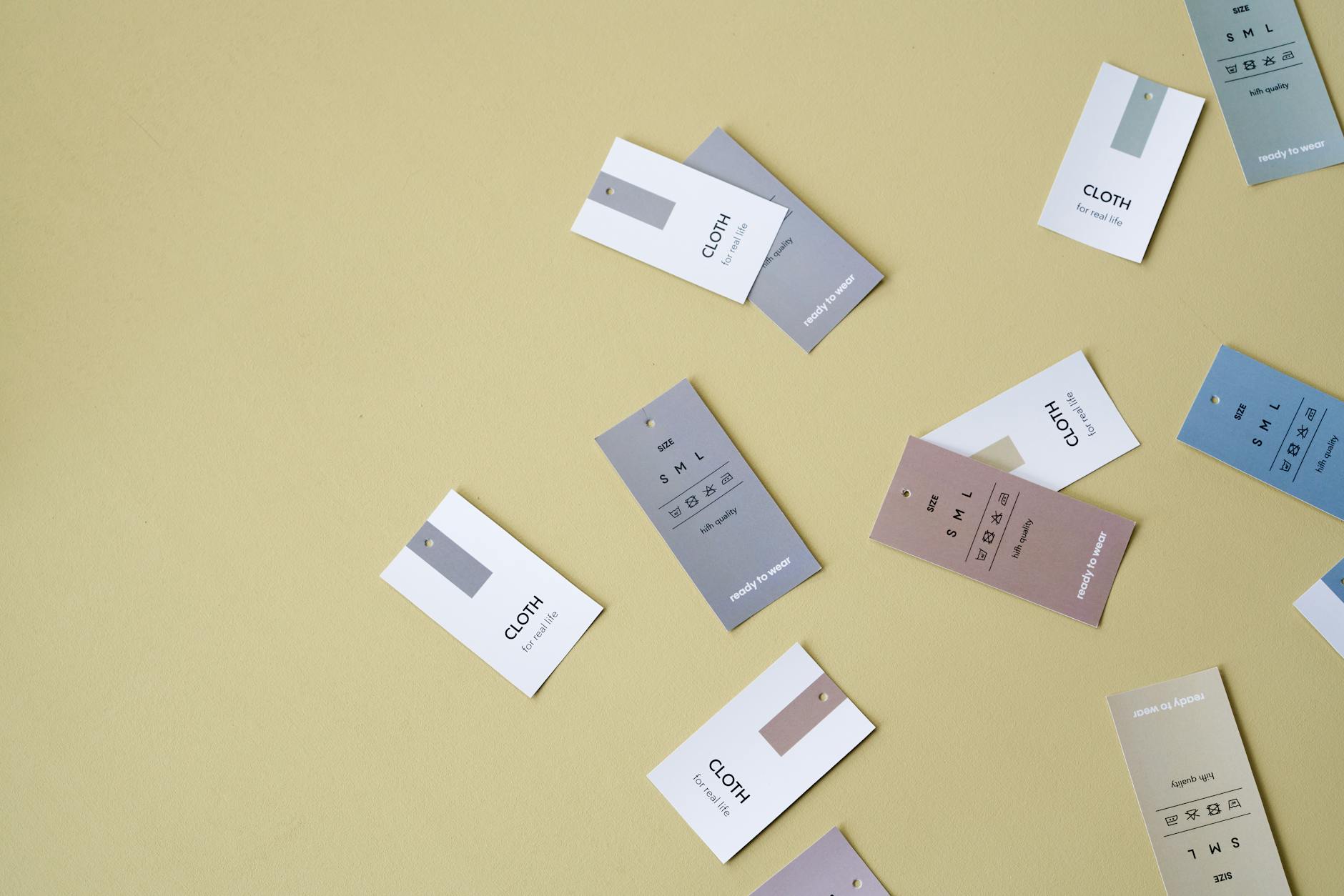
When you pull on a well-made branded garment, the label inside tells a story before you’ve even looked at the logo on the front. Labels for apparel might seem like a minor detail in the grand scheme of a merchandise order, but they’re one of the most powerful touchpoints for brand identity, product quality perception, and compliance. For Australian businesses, sports clubs, and marketing teams investing in custom uniforms or promotional clothing, getting your labelling right can be the difference between a forgettable giveaway and a genuinely premium product that people wear with pride. This guide walks you through everything you need to know — from label types and decoration methods to ordering timelines and budget considerations.
Why Labels for Apparel Matter More Than You Think
It’s easy to focus all your energy on the external decoration of a garment — the embroidered logo on a polo chest, the screen-printed design across a hoodie back, or the sublimated pattern on a sports jersey. But labels work on a different level. They’re the first thing someone reads when they pick up a garment, and they communicate professionalism, brand consistency, and attention to detail.
Think about a Sydney-based fitness apparel startup launching their first run of branded performance tees. If those shirts arrive with generic, manufacturer-branded neck labels, the product immediately feels like a commodity. Swap in a custom woven label with the brand’s logo and care instructions, and suddenly the same shirt feels like a legitimate retail product. That perception matters — especially when you’re using apparel as part of a broader promotional products brand awareness strategy.
For sports clubs ordering seasonal uniforms in Brisbane or Melbourne, custom labels also play a role in team cohesion and perceived legitimacy. A junior football club with a well-labelled, professionally finished kit signals to players, parents, and sponsors that the organisation takes itself seriously.
Understanding the Different Types of Labels for Apparel
Not all labels are created equal. The type you choose will depend on your budget, the garment type, your brand aesthetic, and your timeline. Here’s a breakdown of the most common options available to Australian buyers.
Woven Labels
Woven labels are the gold standard for premium branded apparel. They’re created on a loom using thread, producing a highly durable, textured label that won’t fade, crack, or peel over time. You’ll see woven labels in high-end retail garments, and for good reason — they hold fine detail remarkably well and feel substantial to the touch.
Woven labels are ideal for:
- Corporate uniforms and branded workwear
- Sports club jerseys and training kits
- Premium gift items and co-branded merchandise
- Any garment you want to feel retail-quality
Minimum order quantities (MOQs) for woven labels typically start around 100–200 units, though many suppliers have MOQs of 500 or more for custom designs. Pricing per unit drops significantly at higher volumes, so they’re especially cost-effective for large runs.
Printed Labels
Printed labels — sometimes called taffeta or satin labels — are produced by printing your design directly onto a ribbon-style fabric. They’re more affordable than woven labels and can reproduce full-colour designs, photographs, and gradients that woven labels can’t achieve.
They suit situations where:
- You need a full-colour logo or detailed artwork
- Budget is a key consideration
- You’re ordering smaller quantities
One thing to note: printed labels can fade with repeated washing over time, which makes them less suitable for workwear or team uniforms that see heavy laundering.
Heat Transfer Labels
Heat transfer (or heat-applied) labels are a popular modern alternative to sewn-in labels. They’re applied directly to the inside of the garment using heat and pressure, creating a soft, seamless finish with no scratchy edges. Athletes and active wear brands love them for comfort. If you’ve ever worn a running shirt or gym top with no visible sewn label, you’ve experienced a heat transfer label.
They work especially well for:
- Performance and activewear
- Children’s garments (no scratchy label means happier kids)
- Sleek, retail-style finishes
The tradeoff is that they can peel or crack after many washes if not applied correctly or made with inferior materials — so supplier quality matters here.
Hang Tags
Technically a label worn on the outside of the garment (attached by string or pin), hang tags are used when you want a retail-style presentation for merch being sold or given as premium gifts. A hang tag can include your logo, product info, pricing, QR codes linking to your website, or brand storytelling. They’re particularly effective for small business promotional items where packaging presentation can elevate perceived value.
Patch Labels
Fabric patches — whether woven, embroidered, or PVC — can be sewn onto garments as a visible label or branding element. These blur the line between decoration and labelling, and they’re increasingly popular for streetwear-inspired brand merchandise.
Decoration Methods and Artwork Considerations
Understanding how your label will be produced helps you prepare the right artwork files. Most professional label suppliers will require vector artwork (typically .AI or .EPS files) with colours specified in Pantone (PMS) values. This is particularly important for woven labels, where thread colours are matched to your brand palette.
Key artwork tips:
- Keep text legible: Very fine text (under 4pt) doesn’t reproduce well in woven formats — aim for clear, simple typography
- Provide vector files: Raster images (JPEGs, PNGs) won’t scale cleanly for production
- Confirm PMS colours: This ensures your thread or print colours match your brand guidelines
- Check size requirements: Most neck labels sit in a 3–5cm wide range; label size affects detail reproduction
If your business already has a strong brand style guide, applying it consistently across labels, personalised tote bags, and other branded items creates a cohesive, professional merchandise suite.
Australian Compliance: What Your Labels Must Include
This is where many businesses trip up. In Australia, certain garments sold or distributed commercially must carry labels that comply with the Australian Consumer Law (ACL) and the Trade Practices (Care Labelling) Act. While branded promotional garments aren’t always treated the same as retail products, if you’re selling apparel or producing uniforms for third-party distribution, you should be across the requirements.
Key compliance considerations include:
- Fibre content: Garments must disclose the fibre composition (e.g. “100% Cotton” or “65% Polyester, 35% Cotton”)
- Care instructions: Washing, drying, ironing, and dry cleaning symbols must be included — usually following the GINETEX international care symbol system
- Country of origin: This is increasingly scrutinised under Australian consumer law
Many businesses address compliance by including a separate sewn-in care label alongside a custom brand label — both co-existing inside the garment. Your supplier can advise on this, and it’s worth discussing during your briefing.
Ordering Labels for Apparel: Timelines and Budget Guidance
Labels are typically ordered separately from the garment itself, then applied either by your decorator or a cut-and-sew facility before the finished product is delivered. This adds a step to your production timeline, which is important to factor in.
Typical timelines:
- Woven and printed labels: 3–6 weeks from artwork approval
- Heat transfer labels: 2–4 weeks
- Application (sewing or heat pressing): 1–2 additional weeks depending on quantity
For corporate teams in Perth or Adelaide planning conference merchandise or seasonal uniform rollouts, it’s wise to begin the label ordering process at least 8–10 weeks before your event or distribution date. Rushing label production often means premium freight costs or compromised quality — neither ideal.
Budget ballpark:
- Woven labels: $0.30–$1.50 per unit depending on complexity and quantity
- Printed labels: $0.15–$0.60 per unit
- Heat transfer labels: $0.40–$1.20 per unit
These figures vary significantly based on size, complexity, and order volume. Always request a quote from your supplier with full specifications.
Integrating Labels into a Broader Branded Merchandise Strategy
Labels don’t exist in isolation. They’re one element of a broader branded garment that might include embroidered logos, screen-printed graphics, and coordinating accessories. Smart marketing teams treat every element of a garment — front, back, sleeve, and label — as part of a unified brand experience.
This thinking extends beyond just clothing. When you consider how branded apparel fits alongside other merch categories — custom branded tote bags, eco-friendly promotional products, or sustainable items — consistency across all touchpoints strengthens brand recognition. A Melbourne council running a sustainability campaign, for example, might produce custom organic cotton tote bags and branded reusable items, with consistent labelling across every product reinforcing their environmental message.
Similarly, if you’re designing a trade show booth and distributing branded apparel as giveaways, premium custom labels on those garments signal quality that aligns with a polished booth experience. It’s the details that impress prospects and leave lasting impressions.
For sports clubs looking to create a professional team image, labelling should be considered alongside name badges for officials, signage for game days, and any other branding touchpoints that collectively build the club’s identity.
And if you’re exploring promotional merchandise for a small business — perhaps a café in Hobart or a tradie business in Darwin — promo items for small business guides are a great complement to understanding how apparel labelling fits into your overall marketing investment.
Conclusion: Key Takeaways on Labels for Apparel
Labels for apparel are far more than a regulatory checkbox or an afterthought. They’re a branding opportunity, a quality signal, and for many recipients, the first thing they notice when they put on your garment. Getting them right takes planning, the right supplier relationship, and a clear understanding of your options.
Here are the key points to carry with you:
- Choose your label type based on garment use: Woven labels for premium and durable garments, heat transfer for activewear, printed labels for budget-conscious short runs
- Plan well in advance: Label production and application adds 4–8 weeks to your timeline — factor this in from the start
- Prepare proper artwork files: Vector files with PMS colours will ensure your brand is reproduced accurately every time
- Don’t overlook compliance: If your garments are sold or widely distributed, ensure fibre content and care instructions are included on your labels
- Think holistically: Labels are one part of a complete branded product experience — align them with your broader merch strategy for maximum brand impact
Whether you’re outfitting a corporate team in Melbourne, kitting out a footy club in Queensland, or launching branded merchandise for a new business venture, investing a little extra thought into your labels for apparel will pay dividends in brand perception for years to come.