
How Consumer Expectation Shifts Are Raising the Bar for Branded Merchandise Quality
Discover how shifting consumer expectations are transforming branded merchandise quality standards — and what Australian marketers need to know.

Written by
Petra Novak
Industry Trends & Stats
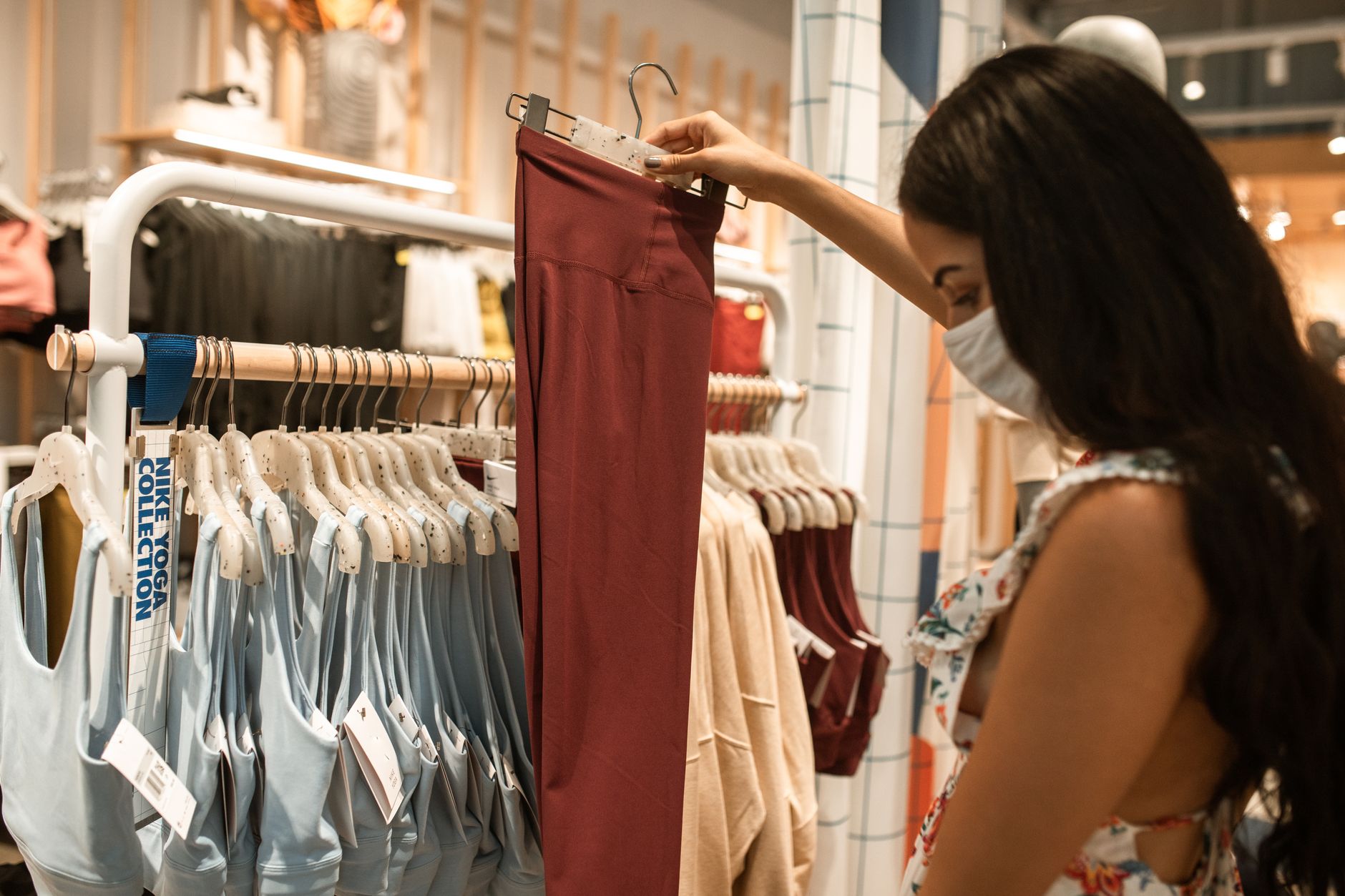
If you’ve ordered promotional products in the last few years and noticed that people seem harder to impress, you’re not imagining it. Consumer expectation shifts for branded merchandise quality are reshaping the entire promotional products landscape across Australia — and the organisations that adapt fastest are the ones getting the most value from their merch spend. Recipients are no longer simply grateful for a freebie. They expect products that feel considered, useful, and well-made. They’re comparing your branded keep cup to the ones they buy at boutique coffee shops, and they’re judging your tote bag against the premium options they see in retail stores. Understanding why this shift is happening — and what it means for your next order — is essential for any marketing team, business, or sporting club serious about making an impression.
Why Consumer Expectations for Branded Merchandise Have Changed So Dramatically
The rise in quality expectations didn’t happen overnight. Several converging forces have fundamentally altered what recipients think they deserve when they receive a branded item.
The Retail Comparison Effect
Australian consumers are surrounded by beautifully designed, high-quality everyday products. The boom in direct-to-consumer brands, the growth of premium homeware, and the explosion of lifestyle products on social media have all raised the baseline for what “good” looks like. A branded pen that might have delighted someone in 2005 barely registers in 2026. People compare your promotional item against their favourite retail products the moment they pick it up, and cheap materials, poor finishes, or wobbly printing are immediately noticed.
This is why organisations investing in promotional products for brand awareness in Australia are increasingly shifting budget away from volume and towards value. Fewer, better items consistently outperform large quantities of throwaway goods.
Sustainability Awareness Is Non-Negotiable
The environmental conversation has profoundly influenced what recipients expect. A large portion of the Australian market — particularly younger demographics — actively questions the ethics of single-use or short-lived products. Receiving a cheap plastic item in 2026 doesn’t just feel underwhelming; for many people, it feels irresponsible. This has accelerated demand for eco-friendly and sustainable promotional items made from bamboo, recycled plastics, organic cotton, and other responsibly sourced materials.
Sporting clubs in Melbourne ordering kit bags, marketing teams in Sydney sourcing conference giveaways, and businesses in Brisbane putting together client gift packs are all facing the same reality: sustainability is now a baseline expectation, not a bonus feature.
The “I Already Have Too Much Stuff” Mindset
Minimalism and intentional living have filtered into how people relate to branded merchandise. Recipients are less patient with items they don’t genuinely need or want. This means that products need to earn their place in someone’s home, desk, or gym bag by being genuinely functional. It’s one of the strongest arguments for choosing product categories with high everyday utility — reusable food pouches, travel mugs, and quality notebooks over plastic keyrings and low-grade stress balls.
What Quality Actually Means in Branded Merchandise Today
Understanding the shift is one thing. Knowing what “quality” means in practical terms is what separates smart buyers from those who waste their budget.
Materials and Construction
The material quality of a product is felt before it’s even fully examined. Soft-touch finishes, weighted bases, smooth zips, and solid stitching all communicate value immediately. When a Sydney events team sources branded tote bags, the weight of the fabric matters enormously — a flimsy bag tells a story about your brand you don’t want told. Explore options for personalised tote bags that prioritise fabric weight and handle durability alongside print quality.
For apparel, this means moving beyond the cheapest available t-shirts and investing in garments with proper ring-spun cotton or performance blends. Schools in Adelaide ordering sports day shirts, for instance, benefit hugely from choosing fabrics that wash well and hold their shape — parents notice, and it reflects directly on the school’s reputation.
Decoration Method and Finish Quality
The way your logo is applied to a product is just as important as the product itself. Embroidery that’s tight and well-dimensioned reads as premium on polo shirts and caps. Laser engraving on promotional leather notebooks creates a tactile, sophisticated finish that feels intentional. Screen printing with proper PMS colour matching looks sharp and professional in a way that budget digital transfers rarely can.
When evaluating options for USB promotional products or tech accessories, the quality of the laser engraving or pad printing matters as much as the spec of the device itself. A mid-range power bank with an immaculate logo application will land better than a higher-spec device with messy printing.
Packaging and Presentation
In 2026, packaging is part of the product. A well-chosen item presented in a simple kraft box with tissue paper communicates care and professionalism. This is especially relevant for corporate gift items and client appreciation packs where the unboxing moment shapes the recipient’s entire first impression. Even smaller businesses can adopt this approach — take a look at promotional product ideas for small businesses that stretch budget without sacrificing perceived quality.
How Australian Organisations Are Adapting Their Merch Strategy
The response to these consumer expectation shifts for branded merchandise quality varies across sectors, but some clear patterns are emerging.
Moving Away From Volume-First Thinking
The old promotional products model was essentially about numbers: the more items distributed, the more brand impressions generated. That model has been quietly dismantled by quality expectations. Marketing teams at conferences and trade shows are now far more likely to source fewer, better items. A Perth-based tech company at an expo, for instance, might choose 200 premium branded merchandise items for trade shows over 2,000 cheap giveaways — and generate significantly more positive brand associations in the process.
Interestingly, even niche or novelty items are benefiting from this shift. Products that feel specific and thoughtful — like branded pretzel packs for a brewery event or fruit boxes for trade show giveaways — create memorable moments precisely because they prioritise the recipient’s experience over the brand’s desire for visibility.
Choosing Products That Solve Problems
High-quality branded merchandise increasingly solves a real problem for the recipient. A driving school in Canberra distributing branded parking disc holders provides genuine utility — the item earns its place in the car and creates long-term brand presence. Similarly, hi-vis vests for mining operations that meet Australian safety standards and feel comfortable to wear are far more appreciated than generic workwear that nobody wants to put on.
For clubs and community organisations, the principle is the same: the best branded item is one that gets used every day. Personalised tote bags used for grocery shopping, quality travel mugs used for the morning commute, and small business promotional items that genuinely serve a function all benefit from this utility-first mindset.
Investing in Cohesive Brand Identity Across Products
Another significant adaptation is the move towards cohesive, well-thought-out merchandise ranges rather than a scatter-gun approach. Rather than sourcing five different products from five different suppliers with inconsistent colour matching and logo application, savvy marketing teams are building curated ranges with consistent PMS colours, matching decoration methods, and complementary product selections. This approach makes branded merchandise feel like an extension of a genuine brand identity — not an afterthought.
For sporting clubs in Queensland managing seasonal merchandise drops, this might mean coordinating caps, training tees, and supporter bags across a single unified order with matched colour specifications. The result feels polished and purposeful in a way that immediately communicates professionalism to players, families, and sponsors alike.
Practical Steps for Adapting to the Quality Shift
Here’s how to align your next merchandise project with where consumer expectations actually are in 2026:
Review your product mix honestly. Would you be happy to receive each item on your shortlist? If you wouldn’t keep it, neither will your audience.
Request samples before committing. Always order samples before finalising large runs, particularly for apparel and drinkware. This is especially important when matching to existing brand colours.
Brief your decorator carefully. Provide proper vector artwork, specify PMS colours, and clarify placement. Poor briefing is one of the leading causes of disappointing decoration results.
Consider the full cost of cheap. A product that gets thrown away immediately doesn’t generate any ROI. Factor longevity and perceived value into your cost-per-impression calculations.
Think about the product’s journey. Where will this item live? A branded tote bag that travels to markets and the beach needs different durability specs than a notebook that lives on a desk.
Conclusion: Meeting the Bar That Modern Recipients Set
The consumer expectation shifts for branded merchandise quality are not a passing trend — they reflect a fundamental reorientation of what people value, how they relate to objects, and what they expect from the brands they interact with. Across Australia, from Hobart to Darwin and every market in between, recipients are asking more of promotional products than ever before. The organisations that respond thoughtfully — choosing quality over quantity, sustainability over convenience, and utility over novelty — are the ones building lasting brand equity through their merchandise.
Key Takeaways
- Quality now trumps quantity: fewer, better items generate stronger brand impressions than large volumes of cheap goods.
- Sustainability is a baseline expectation, particularly among younger Australian demographics — not an optional upgrade.
- Decoration quality matters as much as product quality: even great products are let down by poor logo application.
- Utility-first product selection ensures your branded item earns a permanent place in the recipient’s life.
- Cohesive brand identity across your merchandise range signals professionalism and builds genuine brand trust.