
Corporate Gifting Market Trends 2026: What Australian Businesses Need to Know
Discover the top corporate gifting market trends shaping 2026 in Australia — from eco products to personalisation and tech accessories.

Written by
Petra Novak
Industry Trends & Stats
Corporate gifting has never been more strategic. What was once a box of chocolates and a branded pen is now a carefully considered touchpoint in the customer journey, the employee experience, and even a brand’s sustainability story. As we move through 2026, the corporate gifting market in Australia is evolving rapidly — driven by shifting workplace norms, growing environmental awareness, and a genuine desire to make recipients feel valued rather than processed. Whether you’re a marketing manager in Sydney preparing a client appreciation campaign or an HR team in Melbourne rolling out an employee recognition programme, understanding the corporate gifting market trends for 2026 will help you spend smarter, gift better, and make a lasting impression.
Why Corporate Gifting Is More Important Than Ever in 2026
The relationship between brands and their audiences — whether employees, clients, or partners — has become increasingly personal. In a world saturated with digital communication, a physical, thoughtfully chosen gift cuts through the noise in a way that an email simply cannot.
According to global industry data, the corporate gifting market is projected to surpass USD $300 billion globally by the mid-2020s, and Australian businesses are very much part of this momentum. From government departments in Canberra sourcing end-of-year staff gifts, to Brisbane-based sports clubs rewarding their sponsors, the appetite for branded merchandise that delivers real value is growing year on year.
But quantity alone doesn’t define the shift. What’s changing is the quality and intentionality behind gifting decisions. Recipients now expect gifts that reflect genuine thought — items they’ll actually use, that align with their values, and that make them feel recognised rather than forgotten.
For marketing teams, this represents both a challenge and an opportunity. Get it right, and corporate gifting becomes a powerful brand-building tool. Get it wrong, and the gift ends up at the bottom of a drawer — or worse, creates a negative impression.
Key Corporate Gifting Market Trends Shaping 2026
1. Sustainability Is No Longer Optional
Perhaps no trend has reshaped the promotional products industry more definitively than the push towards sustainable gifting. In 2026, eco-friendly merchandise isn’t a niche preference — it’s an expectation, particularly among corporate decision-makers and younger employees.
Businesses across Australia are actively seeking gifts made from recycled, biodegradable, or sustainably sourced materials. Reusable food pouches and packaging alternatives are gaining traction, as organisations look for gifts that align with their own ESG (Environmental, Social, and Governance) commitments.
Bamboo drinkware, recycled tote bags, and plastic-free stationery sets are among the fastest-growing categories. A Melbourne council sourcing conference delegate gifts, for example, is far more likely to select a recycled cotton tote than a conventional plastic bag — not just for optics, but because it genuinely reflects their organisational values.
If you’re building a gifting campaign this year, understanding the world of personalised tote bags is a great starting point for eco-conscious options that still deliver strong brand visibility.
2. Personalisation at Scale
Mass gifting that feels personalised — that’s the sweet spot organisations are chasing in 2026. Advances in digital printing and variable data printing technologies mean it’s increasingly feasible to customise individual items at volume, without blowing the budget.
Think gifts with the recipient’s name laser engraved on a keep cup, or a personalised notebook with their initials debossed on the cover. This level of detail signals investment and care — and that’s precisely what builds loyalty.
Understanding how branded merchandise supports brand awareness is helpful context here, because personalised gifts don’t just make recipients feel valued — they also carry your brand into spaces where traditional advertising simply can’t reach.
For teams managing large-scale gifting programmes, it’s worth discussing variable data capabilities with your supplier early in the planning process to understand what’s achievable within your timeline and budget.
3. Premium Drinkware Dominates Gift Lists
Branded drinkware has long been a staple of corporate gifting, but the category has matured significantly. In 2026, it’s not just any water bottle — it’s a double-walled, vacuum-insulated vessel from a reputable manufacturer that recipients will carry every day.
Quality matters enormously here. Recipients know the difference between a cheap bottle and a premium one, and the quality of the gift reflects directly on your brand. Exploring trusted bottle brands for corporate gifting is a smart first step when selecting drinkware that will genuinely impress.
Keep cups, insulated tumblers, and large-capacity water bottles are particularly popular with corporate audiences in health-conscious cities like Adelaide and Perth, where outdoor lifestyle culture intersects naturally with workplace gifting occasions.
4. Experiences Wrapped in Products
One of the more interesting corporate gifting market trends emerging in 2026 is the blending of physical products with experiences. Rather than just sending a standalone gift, savvy organisations are curating gift sets that tell a story or create a moment.
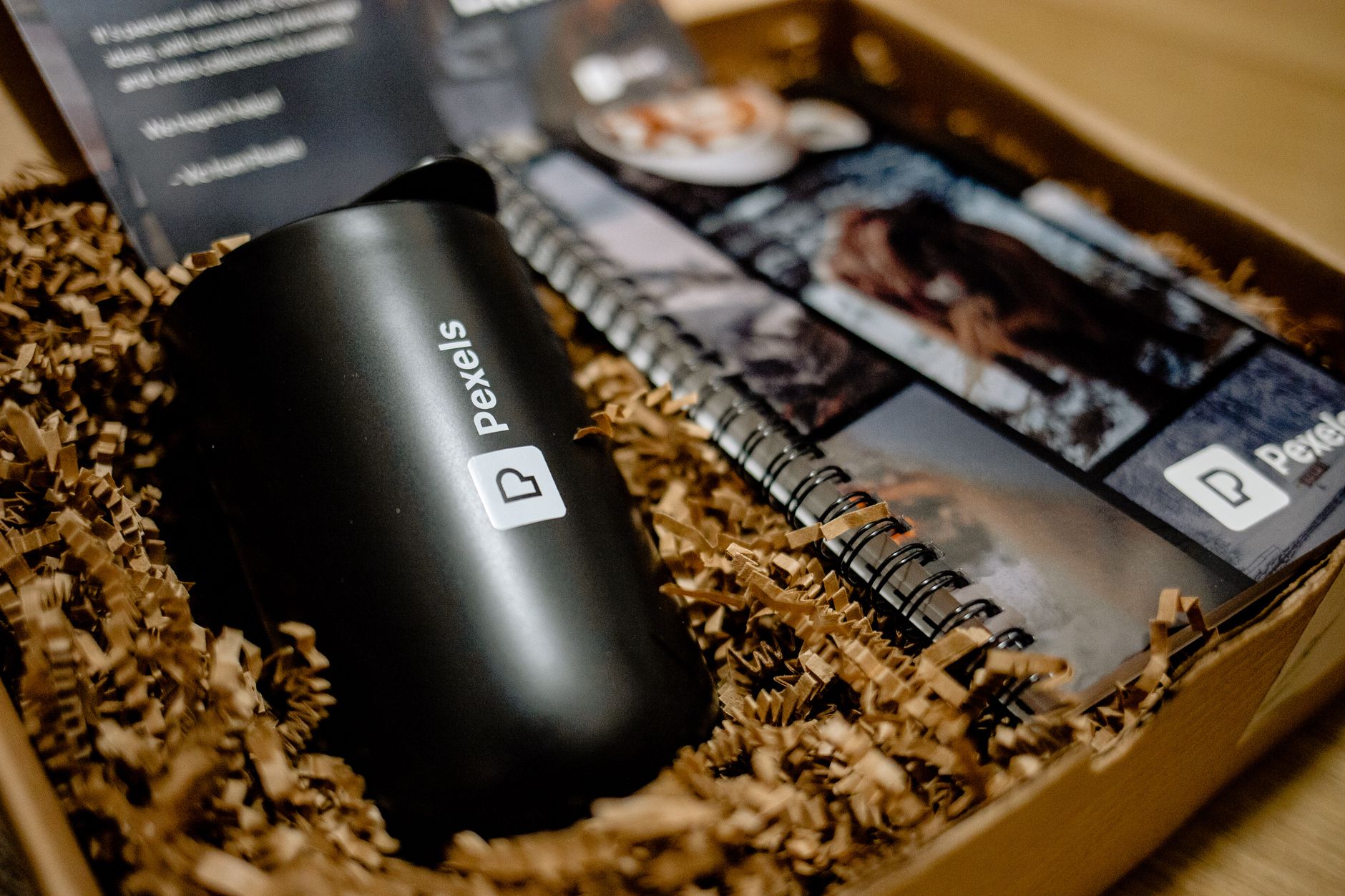
A welcome kit for a new employee might include a branded hoodie, a personalised notebook, a keep cup, and a handwritten welcome card — all presented in a custom-printed gift box. The sum of these items creates an experience that the recipient remembers and associates with positive emotions about their new employer.
For seasonal campaigns, Christmas and holiday gifting is a prime opportunity to create these curated gift experiences. Done well, a Christmas gift set reinforces relationships and sets the tone for the year ahead.
5. Functional, Everyday Utility Wins
Gone are the days when novelty was enough. In 2026, the most appreciated corporate gifts are those that solve a real problem or serve a genuine purpose in the recipient’s daily life.
Tech accessories — power banks, wireless chargers, branded earbuds — remain extremely popular because they’re inherently useful. Similarly, high-quality bags, organisers, and practical stationery sets perform strongly because they integrate naturally into people’s routines.
For organisations that operate in or serve the automotive sector, even niche but genuinely useful items like branded parking disc holders demonstrate that a gift can be perfectly tailored to a recipient’s specific context.
Utility is the new luxury in corporate gifting. If someone uses your branded item every day, your brand earns daily impressions — and that’s a marketing outcome any team would value.
6. The Rise of Regional Relevance
Australian marketers are increasingly recognising that gifting shouldn’t be one-size-fits-all across the country. A gift that resonates with a Darwin-based construction firm may be very different from what suits a Hobart arts organisation or a Gold Coast tourism brand.
Regional relevance extends to personalisation beyond the individual — it includes tailoring gift choices to the climate, culture, and industry norms of different Australian markets. Outdoor and lifestyle-oriented gifts perform strongly in Queensland and Western Australia, while premium office accessories tend to resonate more in Sydney’s CBD corporate environment.
Building genuine brand awareness through gifting requires this kind of contextual thinking — understanding not just who you’re gifting, but where they are and what matters to them in their day-to-day lives.
7. Hotels and Hospitality Gifting Gets Sophisticated
One sector seeing particularly interesting growth in corporate gifting is the hospitality industry. Hotels and resorts across Australia are investing more heavily in branded amenity collections as a form of guest experience and brand extension.
Custom hotel amenity products are a clear example of how gifting blurs into experiential brand touchpoints. When a guest takes home a beautifully presented branded item from their stay, that’s a gifting moment — even if it doesn’t look like a traditional corporate gift.
Practical Tips for Navigating Corporate Gifting in 2026
Budget Smarter, Not Bigger
One of the most common mistakes in corporate gifting is spreading budget too thin across too many recipients with low-quality items. In 2026, the trend is firmly towards fewer, better gifts. A well-chosen $30–$50 gift that gets used daily will outperform a $10 item that gets discarded within weeks.
Consider tiering your gift programme — premium gifts for key clients or top-performing staff, and thoughtful but more budget-conscious options for broader audiences.
Plan Timelines Carefully
Lead times for quality branded merchandise typically range from 10 to 20 business days once artwork is approved, with some complex or custom items requiring longer. If you’re planning Christmas gifts, EOFY campaigns, or conference merchandise, start the conversation with your supplier at least six to eight weeks ahead of your required date.
Rush orders are possible but costly — and they often limit your product and decoration options significantly.
Artwork and Branding Consistency
Ensure your artwork files are print-ready (ideally vector format) and that your brand guidelines are clear before approaching suppliers. Consistent use of PMS colour matching across your gifting programme helps ensure that every item reinforces your brand identity cohesively, regardless of the product or decoration method.
Sample Before You Commit
For larger gifting programmes, always request samples before placing your full order. This is especially important when ordering items that will be heavily personalised, where the decoration quality directly affects the premium feel you’re aiming to create.
Conclusion: What the Corporate Gifting Market Trends of 2026 Mean for Your Strategy
The corporate gifting landscape in 2026 is richer, more nuanced, and more strategically significant than ever before. Australian businesses that treat gifting as a genuine brand investment — rather than an afterthought — will see real returns in loyalty, engagement, and brand visibility.
Here are the key takeaways to guide your 2026 gifting strategy:
- Sustainability is non-negotiable — eco-friendly materials and reusable products are now baseline expectations for many recipients and organisations alike
- Personalisation drives impact — variable printing and engraving technologies make it more achievable than ever to create gifts that feel individually considered
- Utility beats novelty — gifts that serve a real purpose in daily life deliver far more impressions and goodwill than gimmicky alternatives
- Curated gift sets create experiences — packaging matters; the presentation of a gift significantly amplifies its perceived value
- Plan early and budget wisely — quality gifting requires lead time and considered investment; start conversations with your supplier well in advance of key gifting dates
Corporate gifting in 2026 is as much about values as it is about value. Get the balance right, and your branded merchandise will do far more than sit on someone’s desk — it’ll build the kind of genuine connection that keeps clients loyal and employees engaged for years to come.