
Event Merchandise Trends in Australia Shaping Marketing Strategies in 2026
Discover the biggest event merchandise trends shaping Australian marketing in 2026 — from eco-friendly gear to tech accessories and personalised merch.

Written by
Petra Novak
Industry Trends & Stats
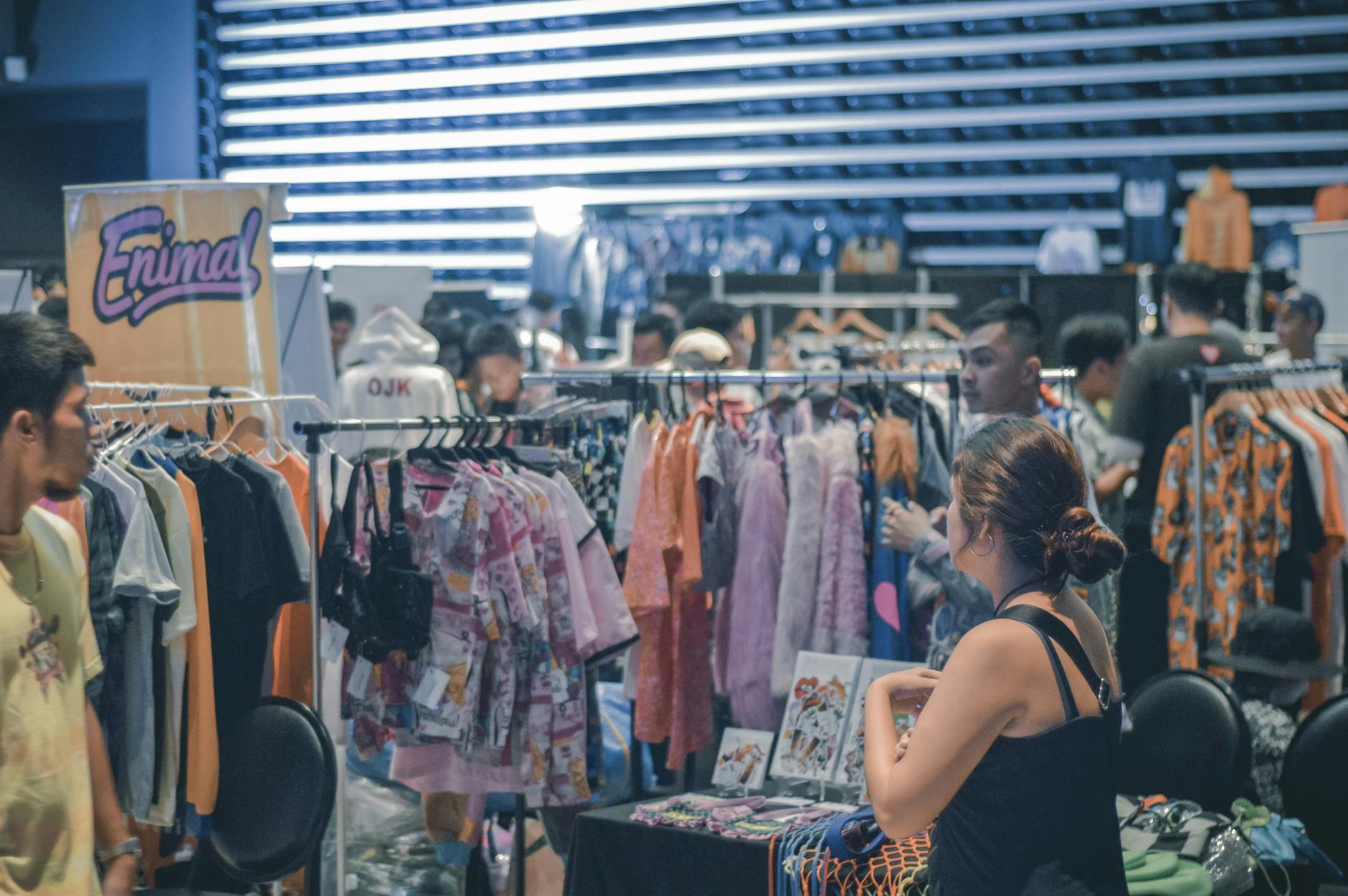
Picking the right merchandise for your next event has never felt more important — or more complex. Whether you’re gearing up for a major trade show in Melbourne, a community sports carnival on the Gold Coast, or a corporate conference in Sydney, the branded products you choose say a great deal about your organisation. They can spark genuine excitement, build lasting brand recall, or — if you get it wrong — end up stuffed into the back of someone’s junk drawer by the following Tuesday. Understanding the key event merchandise trends in Australia means you can make smarter choices, stretch your budget further, and leave attendees with something they’ll actually use and remember. Here’s what Australian marketing teams, businesses, and sports clubs need to know heading into 2026.
Why Event Merchandise Still Matters More Than Ever
In an age of digital overload, physical branded products continue to punch well above their weight in terms of brand recall. Research consistently shows that people remember a brand far longer when they receive a quality tangible product compared to a digital ad. Events — whether trade shows, festivals, sporting competitions, or corporate gatherings — create a moment of positive association. A well-chosen piece of merchandise locks that feeling in place.
The landscape has shifted considerably, though. Attendees in 2026 are more discerning. They’re less impressed by throwaway trinkets and more appreciative of products with genuine utility, thoughtful design, and environmental credentials. That shift is directly influencing what smart brands are ordering, and how they’re ordering it.
For a broader look at how products can build your brand beyond events, our guide to promotional products and brand awareness in Australia covers the foundational principles every marketing team should understand.
The Biggest Event Merchandise Trends in Australia Right Now
1. Sustainability Is No Longer Optional
If there’s one theme dominating every conversation about event merchandise trends in Australia, it’s sustainability. Eco-conscious product choices have moved from a “nice to have” to an active expectation — particularly among younger audiences and corporate attendees who are increasingly aware of their own environmental footprint.
Australian organisations are responding in meaningful ways. Reusable bags, bamboo products, recycled materials, and compostable packaging are all gaining significant ground. A Perth council hosting a community festival, for example, might swap out single-use plastic giveaways for custom reusable tote bags made from organic cotton or recycled PET.
Our curated range of sustainable promotional items is a great starting point for teams looking to make greener choices without sacrificing quality or visual impact.
Personalised tote bags remain one of the most popular sustainable event giveaways — practical, highly visible, and available in a wide range of eco-friendly materials. If you’re after a more versatile carry option, our guide to tote bags and handbags as branded merchandise explores the full range of styles available for events.
Don’t overlook niche sustainable products either. Reusable food pouches are emerging as a crowd-pleaser at health and family-focused events, offering genuine everyday utility that keeps your brand front of mind long after the event wraps up.
2. Quality Over Quantity — Fewer, Better Products
There’s a notable shift away from the “grab a bag and fill it with stuff” mentality. Savvy event organisers in 2026 are choosing to invest more per item and order fewer products, rather than distributing dozens of low-cost giveaways that attendees immediately discard.
This trend reflects a broader understanding of return on investment. A single high-quality item — think a well-branded keep cup, a premium notebook, or a sturdy tote bag — generates far more brand impressions over its lifetime than five cheap items that fall apart within a week.
For businesses operating on tighter budgets, this doesn’t mean sacrificing impact. It means being strategic. Our guide to promotional items for small businesses offers practical advice on getting maximum mileage from a lean merchandise budget, and our piece on promo items for small business digs into specific product recommendations that deliver strong results without breaking the bank.
3. Tech Accessories Are Holding Their Ground
Despite the push toward sustainability, technology-related merchandise continues to dominate at trade shows, corporate events, and university open days. Power banks, branded USB hubs, wireless charging pads, and phone accessories are consistently among the highest-perceived-value products at any event.
The reason is simple: everyone uses technology, every single day. A power bank with your logo on it travels to the office, the gym, interstate conferences, and overseas trips. That’s thousands of impressions from a single product.
Custom phone cases are another emerging category for events, particularly for consumer brands and sports clubs looking to create merchandise their audience will actually want to show off.
4. Personalisation and On-Demand Customisation
Mass giveaways are giving way to personalised experiences. Attendees at premium corporate events and expos in Sydney and Melbourne are increasingly encountering live customisation stations — where products like tote bags, caps, or notebooks are branded on the spot with a person’s name, a custom message, or even a unique design.
This approach creates a memorable, interactive brand moment that generic pre-packed merchandise simply can’t replicate. It also dramatically reduces waste, because items are only produced when specifically requested.
Even outside of live event settings, the trend toward personalisation is strong. Personalised engraved pens for employee recognition programs are a great example of how a simple product becomes far more meaningful with individual personalisation — a principle that applies equally well to event merchandise.
For community and public sector events, personalised engraved pens for community service recognition show how thoughtful customisation can elevate a modest product into something genuinely cherished.
5. Food and Beverage Giveaways Are Generating Buzz
Edible branded merchandise is having a serious moment. Branded food items create an immediate, sensory brand experience that no keyring can match. From gourmet snack packs to custom confectionery, food products generate social media sharing, positive sentiment, and instant engagement.
For trade show environments in particular, branded food items are powerful drawcards. Our guide to promotional popcorn for trade show giveaways in Australia explains why edible giveaways consistently outperform many traditional merchandise categories at exhibitions.
Beverage-adjacent products are performing well too. If you’re in the hospitality or craft beer space, promotional branded pretzel packs for brewery tasting rooms are a clever, on-brand touch for event settings.
6. Name Badges Are Getting a Glow-Up
Often overlooked in the excitement of choosing headline merchandise, name badges have evolved significantly. High-quality magnetic name badges, custom lanyards, and engraved badge holders are now seen as part of the overall event brand experience — not just a functional afterthought.
Premium name badges in Australia reflect professionalism, improve networking outcomes, and reinforce brand identity throughout an entire event. For conferences, trade shows, and corporate training days, investing in quality name badge solutions is a small cost with an outsized impact on the overall attendee experience.
7. Trade Show Merchandise Is Getting Smarter
Trade shows remain one of the highest-value opportunities for branded merchandise — and exhibitors are becoming far more sophisticated in how they approach their product selection. Gone are the days of ordering one product in bulk and hoping for the best.
In 2026, successful trade show exhibitors are curating tiered merchandise strategies: one eye-catching item to draw people to the stand, a practical mid-tier giveaway for engaged prospects, and a premium gift reserved for serious leads. This approach ensures budget is allocated where it generates the most commercial value.
Our comprehensive guide to promotional items for trade shows covers this strategy in detail and includes product recommendations across every budget level. For a broader view of how merchandise fits into your corporate marketing toolkit, our roundup of promotional items for corporate use is worth bookmarking.
Industry-Specific Trends Worth Watching
Beyond the general trends, several sectors are driving interesting developments in event merchandise.
Sports clubs and associations across Brisbane, Adelaide, and Perth are increasingly investing in matching event kits — coordinated merchandise including custom caps, water bottles, and branded bags — rather than individual one-off products. The result is a polished, cohesive look that builds team identity and community pride.
Mining and resources sector events in Western Australia and Queensland are seeing greater demand for practical, safety-conscious merchandise. Promotional hi-vis vests for mining operations are a prime example of merchandise that serves a functional purpose while keeping your brand visible on-site.
Driving schools and automotive businesses attending expos and industry events are making clever use of niche merchandise. Promotional parking disc holders and other motoring-related items speak directly to the audience’s daily life — which is exactly what great event merchandise should do.
Practical Tips for Ordering Event Merchandise in 2026
Before placing your order, keep these key considerations in mind:
-
Plan your lead times early. Most quality suppliers in Australia require a minimum of 10–15 business days for production after artwork approval. For large orders or complex decoration methods (like embroidery or multi-colour screen printing), allow more time. Peak event seasons — especially March–April and October–November — can stretch lead times further.
-
Understand your MOQs. Minimum order quantities vary significantly by product. Tote bags might start at 50 units, while some premium items have MOQs of 100 or more. Factor this into your planning, especially if you’re ordering multiple product types.
-
Invest in a sample before committing. For large orders or new products, always request a pre-production sample or digital proof before full production begins. Colour matching, print placement, and material quality are all much easier to assess on a physical sample.
-
Budget for decoration setup fees. Most decoration methods — screen printing, embroidery, laser engraving — include a one-time setup fee per design. Factor this into your per-unit cost calculation when comparing products.
-
Brief your decorator on Pantone matching. If brand colour accuracy is critical (and it usually is), provide your PMS colour codes upfront rather than relying on a standard CMYK match.
Conclusion: Key Takeaways on Event Merchandise Trends in Australia
The event merchandise landscape in Australia is more dynamic and more opportunity-rich than ever. Whether you’re a marketing manager planning your brand’s presence at a major expo, a sports club organising a gala day, or a small business attending your first trade show, the right merchandise choices can make a lasting impression.
Here are the key takeaways to guide your planning:
- Sustainability is a genuine expectation, not a trend — choose eco-friendly products wherever possible, and make sure your choices align with your brand’s values.
- Fewer, higher-quality products consistently outperform bulk cheap giveaways in terms of brand recall, perceived value, and return on investment.
- Personalisation creates a memorable brand moment — even simple products become powerful when customised for the individual.
- Edible and functional merchandise — food items, tech accessories, and practical everyday products — generate the highest rate of ongoing use and brand impressions.
- Plan early, understand your MOQs, and always proof before production to avoid costly last-minute surprises.
Staying across event merchandise trends in Australia means you can make confident, strategic decisions that reflect well on your brand — and give your audience something genuinely worth keeping.